Creating a flawless wall isn’t just a matter of applying joint compound and calling it a day. Every smooth surface, crisp corner, and seamless joint you see in a finished home is the result of using the right Drywall Finishing Tools paired with skilled techniques. At WS Dry Wall LLC, we’ve seen firsthand how the right equipment transforms a simple installation into a polished, professional result. Whether you’re a DIY homeowner or working with a Drywall contractor in Stratford, CT, understanding these tools gives you a clear idea of what goes into achieving top-quality workmanship.
In this blog, we’ll walk you through the most essential Drywall Finishing Tools, explain why they matter, and share insights from field experience so you can fully appreciate how finishing shapes the look and durability of your walls.
Why the Right Tools Matter in Every Drywall Project
Imagine trying to create a perfectly smooth wall using only basic household items. The results would never compare to what is achieved with proper Drywall Finishing Tools. Each tool is designed for precision, whether it is spreading compound evenly, smoothing out seams, or shaping corners. Good finishing is what separates rough, uneven surfaces from clean, professional walls that improve the appearance of a home.
Homeowners looking for Drywall Finishing Services in Stratford, CT often don’t realize the sheer variety of tools involved. That’s why it helps to understand the basics before starting a project or hiring a professional.
1. Taping Knives: The Foundation of Quality Work
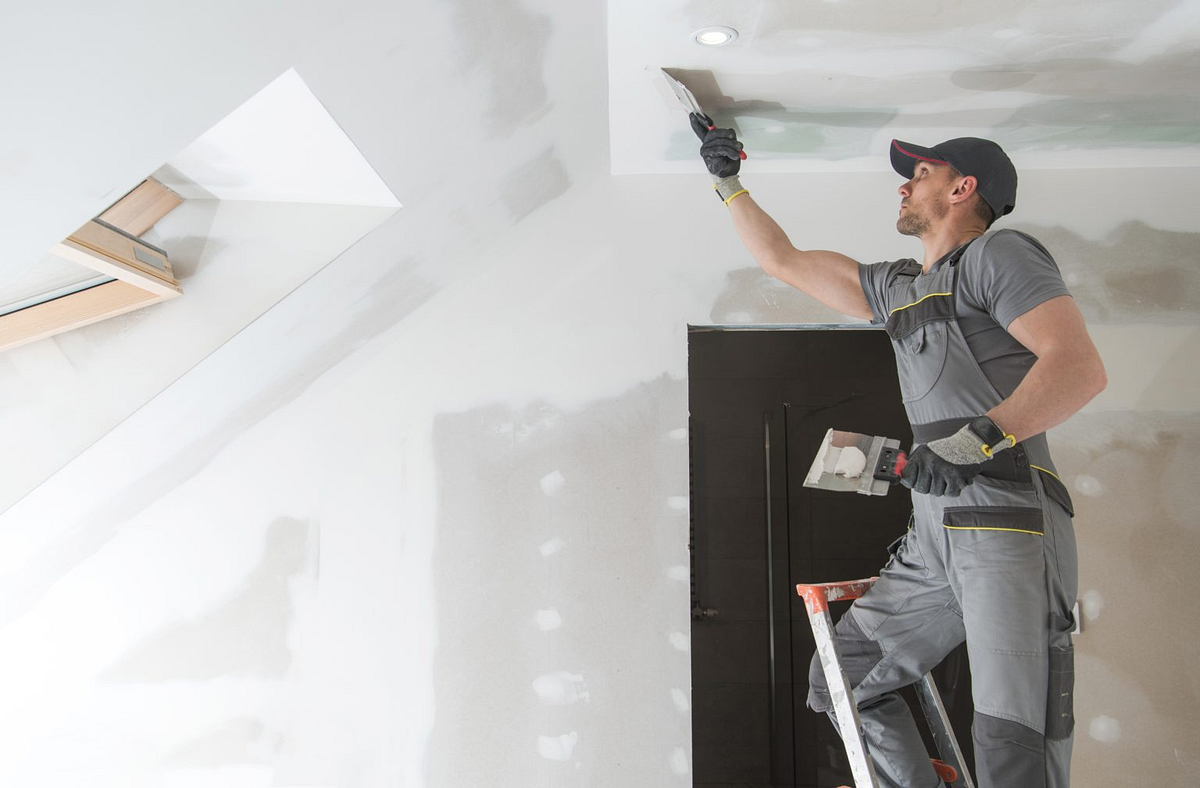
Taping knives are among the most important Drywall Finishing Tools and they are used more often than almost anything else during the finishing stage. These come in multiple sizes such as 6 inch, 10 inch, and 12 inch widths and each size has a specific purpose. The smaller knives help embed tape into joints while the wider blades apply coats of joint compound in a smooth and even way.
A good taping knife makes all the difference in reducing sanding later. The more evenly the compound goes on, the fewer imperfections you need to correct. Professionals rely on flexible stainless-steel blades that glide across the surface with minimal resistance, creating smoother joints.
2. Mud Pans: Keeping the Process Clean and Efficient
Another essential component of your Drywall Finishing Tools lineup is the mud pan. This simple rectangular container holds joint compound while you work. High-quality mud pans have rust-resistant stainless-steel interiors and sharp edges that let you scrape off excess compound from knives.
Without a proper mud pan, you spend more time fighting mess and less time focusing on the quality of the finish. It keeps the compound workable, accessible, and easy to apply across all stages of drywall finishing.
3. Sanding Tools: The Secret Behind That Smooth Finish
Once the compound dries, it’s time to smooth out the surface. Sanding is where many DIYers struggle, but with the right Drywall Finishing Tools, the process becomes faster and more controlled. Professionals use pole sanders, sanding sponges, and in some cases, dustless electric sanders.
Sanding sponges are excellent for corners and tight areas, while a pole sander covers large surfaces efficiently. Dustless sanders, often used by contractors, help maintain a cleaner workspace and deliver consistent results with less effort.
4. Corner Tools for Crisp, Clean Edges
Finishing corners is one of the most challenging parts of drywall work. Specialized Drywall Finishing Tools, like corner trowels and angle sanders, make this job much easier. A corner trowel spreads mud evenly on both sides of a joint, ensuring a smooth, uniform edge without creating bumps or uneven lines.
For inside corners contractors may also use corner rollers and finishing boxes especially on larger projects because they speed up the process and create consistent results throughout the home.
5. Finishing Boxes, Mud Pumps, and Automatic Tools
Professionals offering Drywall Finishing Services in Stratford, CT often use automatic Drywall Finishing Tools to increase efficiency and improve coating quality. Tools like flat boxes, mud pumps, and automatic tapers help apply compound faster and more evenly, reducing manual labor while maintaining precise results.
These advanced tools are particularly beneficial for larger homes or commercial spaces where time and consistency matter most.
6. Joint Compound Mixers and Drills
Joint compound needs to be mixed correctly to achieve the ideal texture. A mixer attachment for a drill is another crucial part of your Drywall Finishing Tools collection. It ensures the mud is properly blended, free of lumps and easy to apply, which leads to cleaner and smoother coats.
Contractors typically mix compound to a specific consistency depending on whether it’s being used for taping, finishing, or texturing.
7. Texture Sprayers for Final Touches
While not always used in standard finishing, texture sprayers are valuable Drywall Finishing Tools for homeowners who prefer textured walls. These sprayers come in manual, pneumatic, or electric styles and can apply a variety of finishes, including orange peel or knockdown textures.
Good texturing tools ensure even application, helping walls look uniform and professionally crafted.
Why Skilled Technique Matters as Much as the Tools
Even the best Drywall Finishing Tools can’t replace the value of experience. Smooth results require patience, the right amount of pressure, proper drying time, and an understanding of how joint compound behaves. This is where hiring a skilled Drywall contractor in Stratford, CT makes a noticeable difference. Professionals know how to combine the right tools with the right techniques to achieve durable, flawless finishes every time.
Trusting the Pros for a Flawless Finish
Homeowners who want long-lasting, clean, and elegant walls benefit greatly from professional services. When you hire experts for Drywall Finishing Services in Stratford, CT, you are not just getting labor. You are getting results backed by years of training and high-quality Drywall Finishing Tools. From the first coat to the final pass of the sander, every step adds to the appearance and value of your home.
FAQs
1. What are the most important tools for drywall finishing?
Taping knives, mud pans, sanding tools, corner trowels, and finishing boxes are among the most important tools used to create smooth, consistent finishes.
2. Do I need professional tools for small drywall repairs?
For small patches or cosmetic repairs, basic knives and sanding sponges work fine. Large areas benefit from professional-grade tools.
3. How long does drywall finishing take?
Typically 3–5 days, depending on drying time, number of coats, and the size of the space.
4. Why does sanding take so much time?
Sanding ensures the surface is smooth before painting. Proper sanding removes imperfections and creates an even texture.
5. Should I hire a professional for drywall finishing?
Yes finishing is one of the most skill dependent stages of drywall work. A pro ensures smooth durable paint ready surfaces.